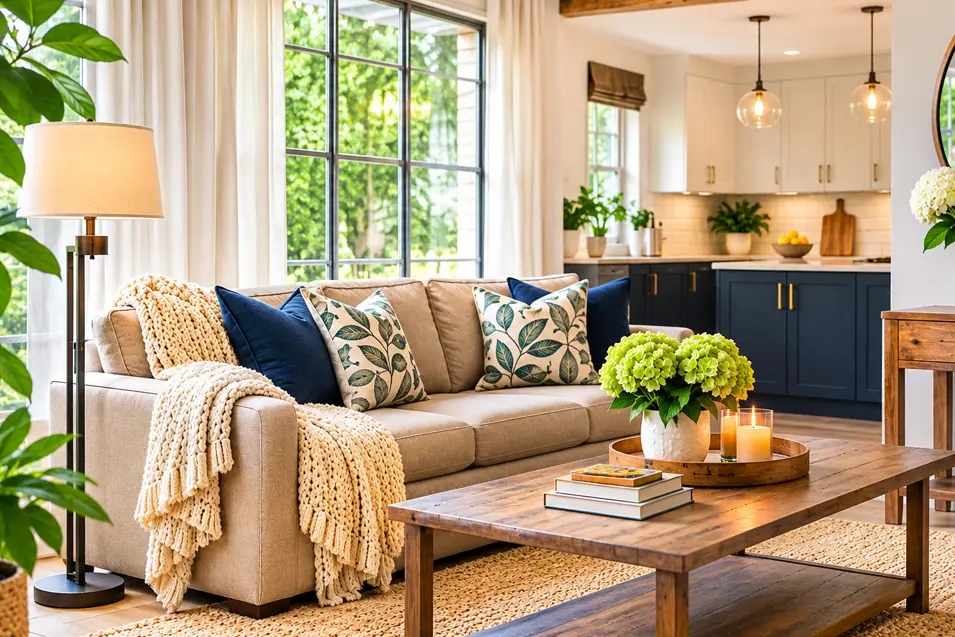
Giving your home a fresh look doesn’t necessarily require a major renovation, new furniture or thousands of dollars in home improvement expenses.
Sometimes the most effective home makeovers involve changing the things we overlook every day. An outdated light fixture, poorly arranged furniture, tired kitchen hardware or an uninspiring entrance can affect the appearance of an entire room.
The secret to a successful budget-friendly home makeover is identifying where relatively small investments will make the greatest visual and practical difference.
Whether you’re preparing your home for sale, updating a rental property or simply tired of looking at the same surroundings, these 25 affordable home makeover ideas can help transform your living space without draining your bank account.
All cost estimates are illustrative US dollar planning ranges for materials and products, generally assuming DIY installation unless otherwise noted. Actual prices will vary by location, product quality and project size.
1. Rearrange Your Existing Furniture
Estimated cost: $0
Before purchasing anything new, reconsider how your furniture is arranged.
Many living rooms feel smaller than they actually are because furniture has been pushed against every available wall or positioned without considering traffic flow.
Try moving the sofa away from the wall, repositioning accent chairs or creating a more intimate conversation area.
Consider removing unnecessary pieces rather than attempting to fill every empty corner.
Moving furniture between rooms can also give familiar pieces an entirely different appearance. An accent chair from the bedroom might work beautifully in the living room, while an unused console table could transform an empty hallway.
Sometimes the furniture isn’t the problem. It’s where you’ve placed it.
2. Declutter Before You Decorate
Estimated cost: $0–$50
One of the least expensive ways to improve the appearance of your home is to remove things rather than purchase more.
Overcrowded shelves, kitchen counters filled with appliances and coffee tables covered with miscellaneous objects can make even beautifully furnished rooms feel chaotic.
Start with visible surfaces and remove anything that doesn’t serve a practical or decorative purpose.
Donate unwanted items, sell furniture you no longer use and find appropriate storage for things you intend to keep.
You may discover that your home looks considerably better without spending any money at all.
3. Paint a Room
Estimated cost: $60–$180 per room
Few home improvement projects offer as much visual impact for the money as painting.
A fresh coat of paint can make a dated bedroom feel contemporary, brighten a dark hallway or create a more inviting living room.
Consider warm whites, soft greens, muted blues and natural earth tones for a timeless appearance.
Always test paint samples in the room before committing to a color. Natural light, artificial lighting, flooring and furniture can dramatically affect how paint appears.
Proper preparation, including cleaning walls, repairing small holes and protecting floors, will make the finished result look considerably more professional.
Homes built before 1978 may contain lead-based paint. Avoid sanding or disturbing potentially hazardous painted surfaces without appropriate precautions.
4. Replace Kitchen Cabinet Hardware
Estimated cost: $40–$150
Outdated cabinet handles and drawer pulls can make an otherwise attractive kitchen look considerably older.
Replacing them with contemporary hardware is a relatively simple project that can dramatically change the appearance of cabinetry.
Brushed nickel, matte black, aged brass and stainless steel are among the many available finishes.
Measure the distance between existing screw holes before purchasing replacements. Selecting hardware with matching dimensions eliminates the need to drill additional holes or repair existing ones.
This approach also works well on bathroom vanities, dressers and other storage furniture.
5. Paint Your Kitchen Cabinets
Estimated cost: $150–$500 for DIY materials
If your kitchen cabinets are structurally sound but visually dated, painting them may provide an attractive alternative to replacement.
White, muted green, navy blue and warm neutral colors can give older kitchens a completely different personality.
However, painting cabinets requires considerably more preparation than painting walls.
Cabinet doors must generally be removed, surfaces thoroughly cleaned and appropriately prepared, and suitable primers and cabinet paints selected.
Some laminate, veneer and previously finished surfaces require specialized preparation.
Allow adequate drying and curing time before reinstalling hardware and returning cabinets to regular use.
This is not necessarily a quick weekend project, but it can offer substantial savings compared with replacing an entire kitchen.
6. Install a New Kitchen Backsplash
Estimated cost: $75–$350
A kitchen backsplash occupies a relatively small area but can have a significant influence on the overall appearance of the room.
Traditional ceramic subway tiles, contemporary geometric patterns and textured tiles can all provide attractive updates.
Peel-and-stick backsplash products may be appropriate for certain surfaces, particularly in rentals or temporary renovations.
However, check the manufacturer’s requirements concerning heat exposure, moisture, surface preparation and installation near cooking appliances.
A carefully selected backsplash can make existing cabinets and countertops look considerably more contemporary without replacing either.
7. Upgrade Your Lighting
Estimated cost: $30–$250 per fixture, excluding professional installation
Lighting is one of the most frequently overlooked elements of home design.
A room with beautiful furniture and attractive finishes can still feel uninviting if the lighting is harsh, insufficient or poorly positioned.
Consider replacing outdated ceiling fixtures, adding table lamps or incorporating floor lamps beside seating areas.
Warm-white LED bulbs, generally around 2700K to 3000K, can create a comfortable atmosphere in living rooms and bedrooms.
Kitchens, bathrooms and workspaces may benefit from brighter task lighting.
Hardwired electrical fixtures should be installed by a qualified professional when required by local regulations or when the work exceeds your experience.
8. Replace Lampshades
Estimated cost: $15–$60 each
You don’t necessarily need to replace an entire lamp simply because it looks outdated.
A new lampshade can dramatically change its appearance.
Replacing a heavily patterned or discolored shade with a simple linen, cotton or contemporary fabric shade can give an older lamp a more sophisticated look.
Ensure the replacement shade is compatible with the lamp’s fitting, dimensions and bulb requirements.
This is an especially useful makeover idea when the lamp base is attractive but the shade no longer complements your interior.
9. Update Your Window Treatments
Estimated cost: $40–$200 per window
Heavy, outdated curtains can make rooms feel darker and smaller.
Replacing them with lighter fabrics, simple roller shades or contemporary curtains can improve both the appearance and functionality of a room.
Mounting curtain rods higher above the window and extending them beyond the window frame can create the impression of taller ceilings and larger windows.
Choose blackout curtains for bedrooms where light control is important and lighter fabrics for living areas where natural light is desirable.
Renters should check whether installing new hardware is permitted.
10. Add an Area Rug
Estimated cost: $80–$350
An area rug can define a seating arrangement, introduce texture and color, and make a room feel considerably more inviting.
It can also disguise worn flooring without the expense of replacement.
One common mistake is purchasing a rug that is too small for the room.
In a living room, a rug should generally be large enough to connect the main seating pieces, often with at least their front legs resting on it.
Consider washable rugs in homes with children or pets, and use a suitable rug pad to help prevent slipping and protect the flooring underneath.
11. Update Your Sofa With Cushions and Throws
Estimated cost: $30–$120
If your sofa is comfortable and structurally sound, replacing it simply because you’re tired of its appearance may be unnecessary.
A few well-chosen cushions and a textured throw can introduce an entirely different color palette.
Mix complementary textures rather than purchasing numerous matching cushions.
Linen, cotton, wool blends and other fabrics can create visual interest without overwhelming the furniture.
If your existing cushion inserts are in good condition, purchasing new covers instead of complete cushions can reduce the cost further.
12. Refinish or Repaint Existing Furniture
Estimated cost: $30–$150 per piece
Older dressers, side tables, dining tables and cabinets can often be transformed with relatively inexpensive materials.
A dated wooden dresser might look beautiful with a fresh finish and new hardware.
A solid wood coffee table with surface scratches may simply require appropriate refinishing.
Before beginning, determine whether the furniture is solid wood, veneer, laminate or another material. Aggressive sanding can permanently damage thin veneers.
Valuable antiques should be evaluated before refinishing, as removing original finishes can reduce their value.
Whenever possible, work with the quality furniture you already own rather than automatically replacing it with inexpensive new furniture.
13. Shop for Secondhand Furniture
Estimated cost: $25–$300 per piece
Thrift stores, estate sales, consignment stores and online marketplaces can be excellent sources of affordable furniture.
Solid wood dining tables, dressers, bookshelves and accent chairs may be available for a fraction of their original retail prices.
Look beyond cosmetic imperfections and evaluate construction quality, stability and overall condition.
Be cautious when purchasing upholstered furniture or mattresses secondhand because of potential pest, odor and hygiene concerns.
Check furniture dimensions before purchasing, and remember to include transportation and any necessary repairs in your budget.
14. Create a Gallery Wall
Estimated cost: $30–$150
A collection of artwork, photographs and prints can transform a plain wall into an attractive focal point.
You don’t need to purchase expensive original artwork to create a visually interesting display.
Consider family photographs, affordable art prints, vintage illustrations or artwork created by your children.
Arrange the pieces on the floor before hanging them to determine spacing and balance.
A combination of frame sizes can look attractive, provided the overall arrangement feels intentional.
Renters can investigate removable picture-hanging products suitable for their wall surfaces and the weight of the artwork.
15. Introduce Large-Scale Artwork
Estimated cost: $50–$250
Sometimes a single substantial piece of artwork has greater visual impact than numerous smaller decorations.
Large artwork can help anchor a sofa, dining room wall, bedroom or entrance.
Look for pieces that complement the room’s proportions and overall color palette rather than simply matching every existing color.
Affordable options include canvas prints, framed photography, local art markets and secondhand artwork.
Pay attention to hanging height and positioning. Even attractive artwork can look awkward when it is hung too high or is disproportionately small for the furniture beneath it.
16. Refresh Your Bathroom Accessories
Estimated cost: $40–$150
You don’t necessarily need to renovate a bathroom to improve its appearance.
Replacing a tired shower curtain, worn towels, bath mat and miscellaneous countertop accessories can create a noticeably fresher environment.
Choose a coordinated color palette and reduce the number of products left on visible surfaces.
A new mirror, updated towel hooks or attractive storage baskets can provide additional improvements without requiring major construction.
This is one of the simplest makeover projects for renters because many changes can be made without permanently altering the property.
17. Replace a Bathroom or Kitchen Faucet
Estimated cost: $60–$250, excluding professional installation
An outdated faucet can make an otherwise functional kitchen or bathroom appear tired.
Modern faucets are available in numerous finishes and configurations, allowing homeowners to update the appearance of a sink without replacing the countertop or cabinetry.
Check the existing sink’s mounting holes, water supply connections and available clearance before purchasing a replacement.
Although some homeowners are comfortable completing basic faucet installations, professional plumbing assistance may be necessary.
Always check for leaks after installation.
18. Refresh Tile Grout and Caulking
Estimated cost: $15–$80
Discolored grout and deteriorating caulking can make bathrooms and kitchens look considerably older than they are.
Cleaning grout with an appropriate product may restore much of its original appearance.
Damaged or deteriorated caulking around tubs, showers and sinks should be properly removed and replaced with a suitable product.
However, persistent mold, loose tiles, water damage or recurring moisture problems may indicate an underlying issue requiring professional investigation.
Cosmetic improvements should never be used to conceal active leaks or structural damage.
19. Improve Your Entryway
Estimated cost: $40–$200
Your entrance establishes the first impression of your home.
Unfortunately, it can also become a collection point for shoes, coats, bags and miscellaneous belongings.
A simple bench, attractive hooks, shoe storage and a durable entrance mat can improve both appearance and functionality.
Consider adding a mirror to reflect light and provide a convenient place to check your appearance before leaving.
Keep walkways clear and choose furniture that fits the available space.
A well-organized entrance can make the entire home feel more welcoming.
20. Paint Your Front Door
Estimated cost: $30–$100
A fresh coat of paint on your front door can dramatically improve your home’s curb appeal.
Deep blue, forest green, charcoal, burgundy and classic black can all work beautifully, depending on the exterior materials and architectural style.
Use paint appropriate for the door’s material and exterior exposure.
Check whether your homeowners association, landlord or condominium association has restrictions concerning exterior colors.
Replacing worn house numbers or updating the door’s hardware can complement the makeover.
21. Add Indoor Plants
Estimated cost: $15–$100
Indoor plants introduce natural color, texture and visual interest into a home.
A substantial floor plant can soften an empty corner, while smaller plants can enhance shelves, side tables and kitchen windows.
Select plants according to the available natural light and the amount of maintenance you’re prepared to provide.
If you have cats or dogs, research plant toxicity before purchasing. Several popular houseplants, including certain lilies, can be extremely dangerous to pets.
Artificial plants may be a practical alternative in rooms with insufficient natural light or households where plant care is difficult.
22. Install Floating Shelves
Estimated cost: $30–$150
Floating shelves can provide additional storage and create an attractive display area without occupying valuable floor space.
They work particularly well in kitchens, bathrooms, offices and living rooms.
Avoid overcrowding shelves with numerous small decorative objects. A balanced combination of books, artwork, plants and practical items often looks more attractive.
Use appropriate mounting hardware for the wall construction and intended load.
Heavy shelves and items require secure installation. Check for concealed electrical wiring and plumbing before drilling.
23. Give Your Bedroom a Hotel-Inspired Makeover
Estimated cost: $80–$250
A bedroom can feel completely different with updated bedding, better lighting and a more organized layout.
Start with a coordinated duvet cover or comforter, comfortable sheets and a few carefully selected cushions.
Matching bedside lamps can create a balanced appearance, while removing unnecessary furniture and clutter can make the room feel more spacious.
You don’t need an expensive new bedroom suite to create a comfortable, attractive environment.
Prioritize the things that improve sleep and daily comfort rather than purchasing decorative items simply to reproduce a photograph from a design magazine.
24. Refresh Your Outdoor Living Space
Estimated cost: $50–$300
A patio, balcony or deck can become considerably more inviting with a few inexpensive improvements.
Clean existing outdoor furniture, replace worn cushions and introduce suitable planters or outdoor lighting.
An outdoor rug can help define a seating area, while a small side table can make the space more functional.
Choose products designed for outdoor exposure and consider how cushions and accessories will be stored during poor weather.
If your existing outdoor furniture remains structurally sound, refreshing it may be considerably more economical than replacing it.
25. Improve Your Home’s Curb Appeal With Simple Landscaping
Estimated cost: $50–$250
An attractive exterior doesn’t necessarily require professional landscape design.
Trimming overgrown shrubs, removing weeds, refreshing mulch and adding a few suitable plants can significantly improve the appearance of your property.
Cleaning walkways, removing damaged planters and tidying the entrance can make an immediate difference.
Choose plants appropriate for your climate, available sunlight and maintenance preferences.
Native or climate-adapted plants may help reduce ongoing watering and maintenance requirements.
Sometimes a well-maintained, simple landscape looks considerably more attractive than an elaborate garden that has been neglected.
What Can You Accomplish With a $100 Home Makeover Budget?
Even a relatively modest budget can provide noticeable improvements when you concentrate on a specific room.
| Living Room Improvement | Estimated Cost |
|---|---|
| Rearrange existing furniture | $0 |
| Declutter and reorganize | $0 |
| Two new cushion covers | $25 |
| Textured throw blanket | $25 |
| New lampshade | $25 |
| Indoor plant | $25 |
| Total | $100 |
Rather than spreading $100 across the entire house, concentrating it in one room can create a more noticeable transformation.
What Can You Accomplish With a $500 Home Makeover Budget?
A $500 budget provides additional opportunities to improve several areas of the home.
| Home Improvement | Estimated Cost |
|---|---|
| Paint a living room | $120 |
| Replace kitchen cabinet hardware | $80 |
| New bathroom accessories | $60 |
| Living room area rug | $150 |
| Entryway improvements | $50 |
| Updated cushion covers | $40 |
| Total | $500 |
These amounts assume carefully selected products and DIY work. Professional labor, delivery charges and additional repairs may increase the total.
What Can You Accomplish With a $1,000 Home Makeover Budget?
With $1,000, homeowners can potentially combine several cosmetic improvements without undertaking major renovations.
| Home Improvement | Estimated Cost |
|---|---|
| Kitchen cabinet painting materials | $300 |
| Kitchen backsplash materials | $150 |
| Cabinet hardware | $75 |
| Bedroom bedding | $125 |
| Living room area rug | $150 |
| New curtains | $100 |
| Contingency fund | $100 |
| Total | $1,000 |
The key is to prioritize projects that complement each other.
Painting kitchen cabinets, installing new hardware and updating the backsplash can collectively create a much more substantial transformation than purchasing unrelated decorative items throughout the house.
Budget-Friendly Home Makeovers for Renters
Renters may face restrictions concerning painting, installing fixtures or making permanent alterations.
However, numerous affordable improvements can be made without significantly changing the property.
Consider:
- Rearranging furniture.
- Introducing area rugs.
- Adding table and floor lamps.
- Updating bedding and cushions.
- Purchasing freestanding storage furniture.
- Introducing indoor plants.
- Displaying artwork using approved hanging methods.
- Replacing shower curtains and bathroom accessories.
- Improving balcony or patio furnishings.
Always review your rental agreement before painting walls, replacing hardware, installing shelves or applying adhesive products.
Even products marketed as removable can damage certain painted surfaces or finishes.
Which Home Makeover Projects Should You Leave to Professionals?
Saving money through DIY projects makes sense when the work is appropriate for your experience and skill level.
However, attempting complicated repairs without the necessary knowledge can create safety hazards and expensive problems.
Professional assistance may be appropriate for:
- Electrical wiring and hardwired fixture installation.
- Significant plumbing alterations.
- Structural modifications.
- Removing potentially load-bearing walls.
- Repairing substantial water damage.
- Addressing suspected asbestos or lead hazards.
- Major roofing and exterior repairs.
- Installing heavy fixtures where specialized support is required.
A budget-friendly makeover should never come at the expense of household safety.
Avoid These Common Home Makeover Mistakes
Buying Before You Have a Plan
Purchasing decorative items simply because they’re on sale can result in a collection of products that don’t work particularly well together.
Determine your color palette, priorities and available space before shopping.
Replacing Furniture That Doesn’t Need Replacing
A quality sofa, dining table or dresser may have many years of useful life remaining.
Consider whether changing surrounding accessories, rearranging furniture or refinishing existing pieces could achieve the desired result.
Following Every Design Trend
Interior design trends change constantly.
Purchasing expensive products simply because they’re fashionable can create an ongoing cycle of unnecessary spending.
Choose timeless finishes for larger investments and introduce trends through smaller, inexpensive accessories.
Ignoring Measurements
Measure rooms, doorways, furniture and available wall space before purchasing anything substantial.
Returning oversized furniture or discovering that a rug is too small can waste both time and money.
Forgetting About Additional Expenses
Paint brushes, rollers, primer, mounting hardware, delivery fees and disposal costs can increase the total expense of a project.
Include these items when establishing your budget and reserve some money for unexpected expenses.
Prioritizing Appearance Over Functionality
A beautifully decorated room that is uncomfortable or difficult to use is not necessarily a successful makeover.
Consider how your family actually uses the space, including storage requirements, traffic flow, lighting and the needs of children or pets.
Start With the Room That Bothers You Most
You don’t need to makeover your entire home at once.
Start with the room you use frequently or the space that causes you the greatest frustration.
Identify what you dislike about it. Is it the lighting, the furniture arrangement, the wall color, the lack of storage or simply the amount of clutter?
Once you’ve identified the actual problem, you can concentrate your money and effort where they will have the greatest impact.
Take photographs before beginning. They can help you evaluate the space objectively and appreciate the improvements once the project is completed.
A successful home makeover isn’t necessarily about purchasing more things.
It’s about making better use of what you already have, investing selectively and creating a home that feels comfortable, functional and attractive.
You might be surprised by how much you can accomplish with a few hundred dollars, a little creativity and a weekend of your time.
Helpful Resources
- US Environmental Protection Agency – Lead-Safe Renovations for DIYers. Safety considerations when renovating older homes that may contain lead-based paint.
- US Department of Energy – LED Lighting. Information about energy-efficient residential lighting.
- ASPCA – Toxic and Non-Toxic Plants. A resource for selecting plants in households with pets.
Creating a Beautiful Home Without Overspending
Improving your home doesn’t always require a substantial financial investment. From choosing the right furnishings to updating everyday features, these additional articles offer practical advice for creating a comfortable, attractive living space.
House Poor, Life Rich
Explore the importance of balancing your housing expenses with your financial well-being and overall quality of life.
Selecting a Bathroom Mirror
Discover how choosing the right mirror can enhance your bathroom’s appearance, improve functionality and complement your existing décor.
Buying Furniture for Christmas
Consider the practical aspects of purchasing furniture, including quality, functionality and long-term value, before investing in new pieces for your home.