Rethinking Social Media’s Like-and-Share Culture
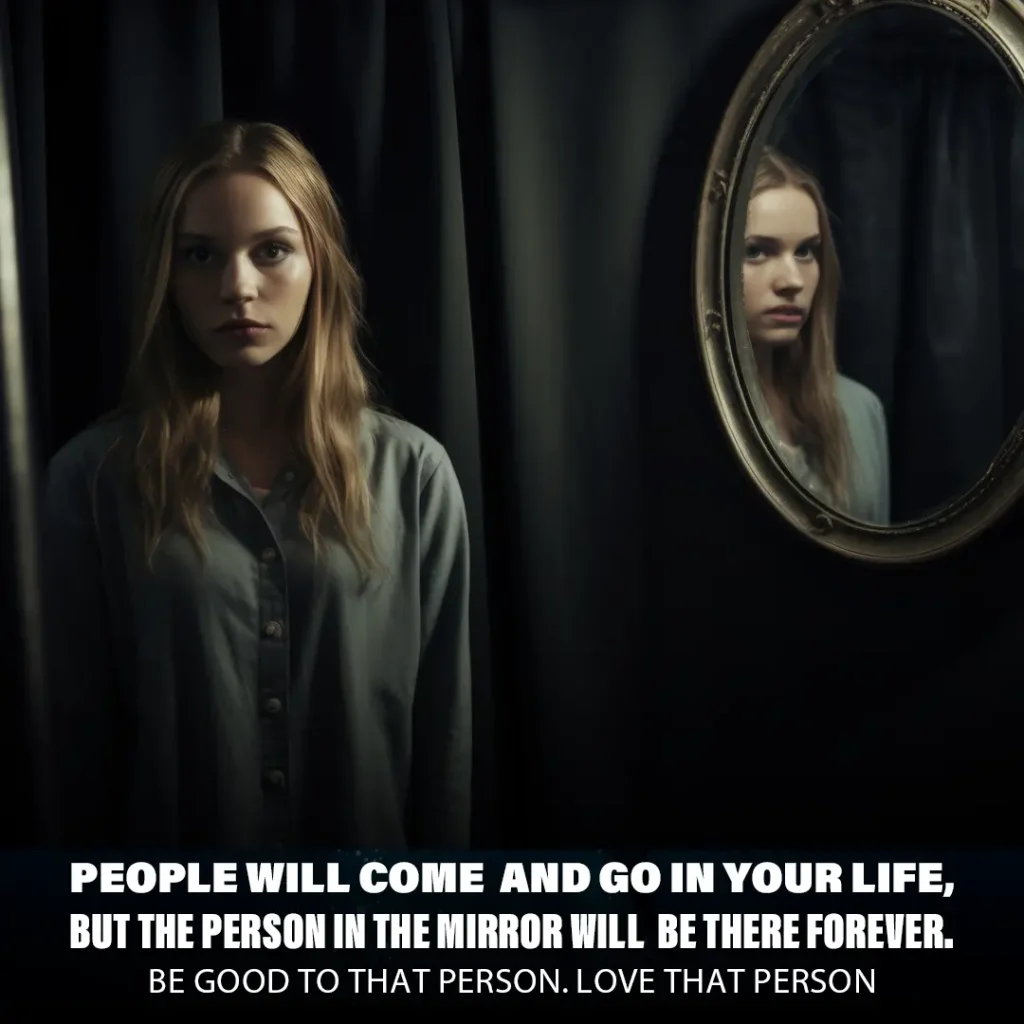
Open a new tab and check your Facebook account. Count the posts from pages or friends urging you to like or share: “Like if you’re against bullying,” “Share if you love your mother,” or “Like if you oppose childhood cancer.” These posts, often poorly written with unappealing graphics, garner thousands or even millions of likes, shares, and comments despite their lack of creativity or substance.
It’s surprising how many people engage with these posts, which often promote simplistic or manipulative messages. Instead of feeling angry about this clutter, many click “like” without a second thought. Isn’t there something more meaningful we could do with our time than interact with these empty gestures?
Beyond Clicks: Taking Real Action
If you truly care about a cause—whether it’s helping hungry children, supporting animal shelters, or raising cancer awareness—take action offline. Call your mother to express your love, donate to a shelter, or volunteer your time. Liking a post doesn’t make a tangible difference, yet many feel a fleeting boost of self-esteem from these actions, thinking, “I’m a good person because I liked a post about loving Jesus.” In reality, these clicks often serve anonymous page administrators who profit from boosted analytics, selling spam or junk online.
Claims like “one like equals one dollar for a cause” are scams—Facebook doesn’t work that way. These posts exploit our goodwill, and similar trends appear on platforms like Twitter, contributing to a culture of meaningless online interactions.
This “like-and-share” behavior reflects a society seeking instant gratification. Clicking “like” feels like proof of being a good person, especially when others see it. But as statistics suggest, many users, like “Dave” scrolling at work, engage without reading, cluttering their feeds with irrelevant or even problematic content.
The Value of Discernment
Social media and technology offer immense benefits, like access to information and connectivity. However, we often get lost in a cycle of meaningless interactions that add little value to our lives. We must stay discerning, recognizing that not everything online—especially on Facebook—is true or worthwhile. Social media is a tool, not a lifestyle. Instead of liking or sharing this post, consider taking a moment to reflect or act on what matters to you in the real world. (But if you want to share, go for it!)