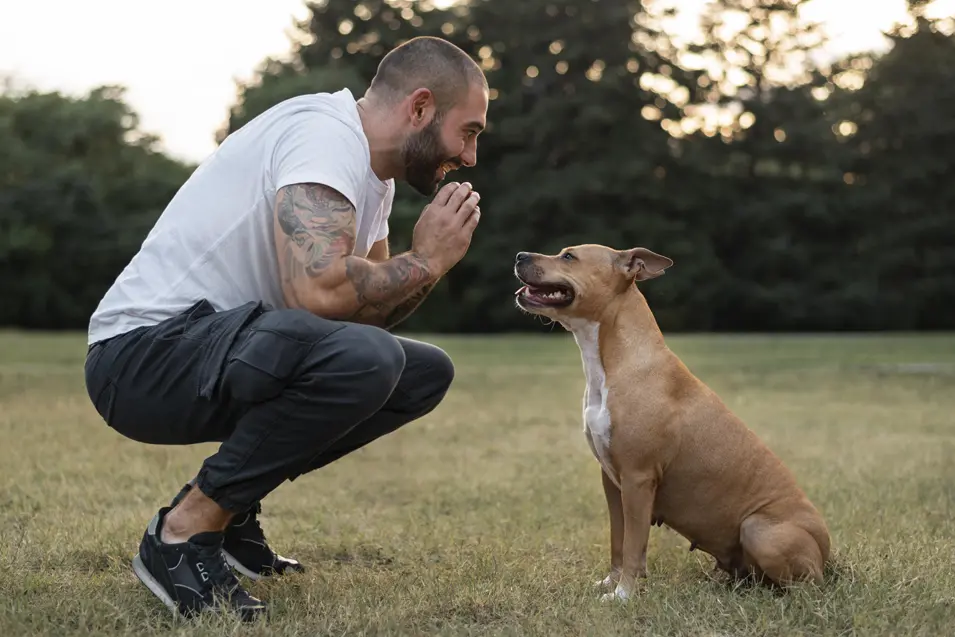
Owning a dog entails numerous responsibilities. As a dog owner, you must provide nutritious food, ensure constant access to water, keep vaccinations up to date, and visit the veterinarian when your dog is ill. However, many owners overlook another critical duty: training their dog.
Dogs are highly intelligent and capable of learning almost anything we teach them, but puppies are not born trained. They require guidance to master essential skills, including house training, good manners in the home, greeting people politely without jumping, walking on a leash without pulling, and basic obedience skills. The well-behaved dogs you admire were once like your own—unruly and clueless. Their owners invested time and effort to train them.
What should your dog learn to become well-behaved? Here are key areas of focus for training:
House Training: All dogs living indoors need house training. Starting early is ideal, but any dog can learn. Dogs instinctively avoid soiling their sleeping areas, preferring to relieve themselves outdoors. Puppies require frequent trips outside due to their small bladders. Offer ample praise and rewards for eliminating outside. Learn to recognize your puppy or dog’s body language to anticipate their needs. As they understand the routine, they’ll signal when they need to go out.
House Manners: House manners vary by household but often include preventing behaviors like “counter surfing” (stealing food from kitchen counters). You might also teach your dog to limit barking indoors, play gently to avoid knocking over items, or stay off furniture and beds if preferred. These are your house rules, communicated through consistent training. Positive reinforcement, such as praise and rewards, works better than punishment. Establishing good house manners early can prevent many behavior issues.
Obedience Training: Teaching basic obedience is one of the most valuable gifts you can give your dog. Essential commands—Come, Sit, Lie Down, Stay, and Heel (walking calmly beside you)—not only ensure good behavior but also strengthen your bond. Dogs thrive with clear roles and prefer a leader. By teaching obedience, you establish yourself as that leader, creating a clear leader-follower dynamic your dog understands and appreciates. Clarity in your commands is key to their willingness to obey.
Effective Training Strategies
You don’t need to be harsh to train your dog, but you must be authoritative. Obedience training reinforces your leadership role while using praise and rewards to encourage compliance, maintaining a positive experience for your dog.
House Training: House training requires consistent practice at home. Puppies typically take several weeks to learn, while older dogs may need to unlearn bad habits but can adapt quickly with frequent outdoor opportunities. Patience and positive reinforcement are essential.
House Manners: Addressing house manners depends on the behavior. Preventing counter surfing is challenging once a dog discovers tempting items; remove accessible food to deter them. Excessive barking is often easier to manage with redirection. To keep dogs off furniture or beds, set boundaries early, as habits are harder to break once established. For issues like resource guarding (toys or food) or refusing to move from spots, revert to basics: remove problem items, hand-feed to eliminate bowl guarding, or restrict furniture access if the dog ignores commands.
Obedience Training: You can train your dog yourself or enroll in a class. Numerous resources—books, DVDs, and online articles—offer guidance. For classes, check with local kennel clubs, dog training clubs, or pet stores, which often host obedience courses. Speak with instructors to ensure the class suits your dog, ideally one that emphasizes praise and rewards. Whether training at home or in a class, consistency and positive reinforcement are key to success.