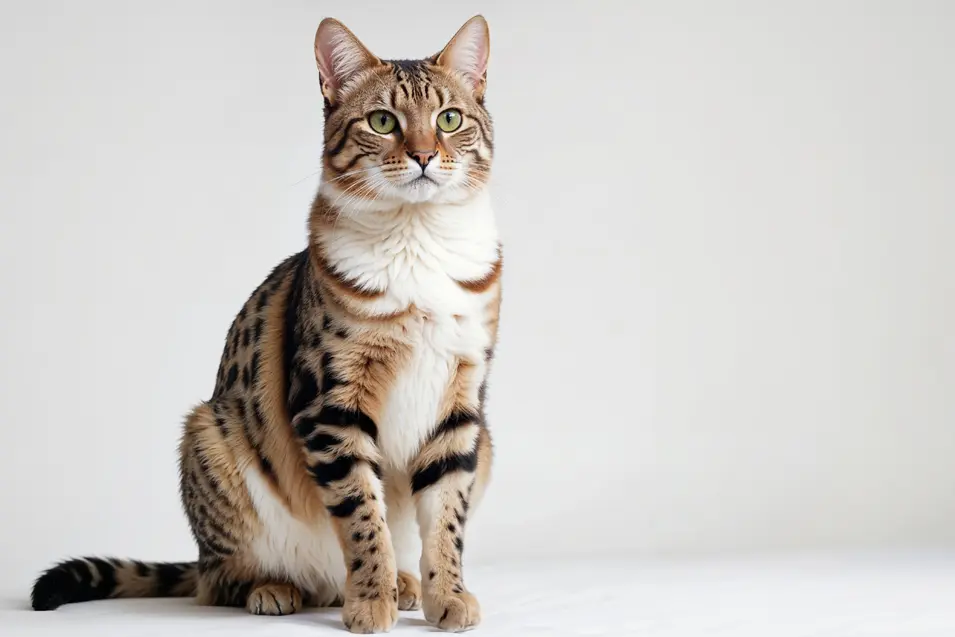
Moderate weight loss in overweight cats can improve health, but significant, unexpected weight loss often signals a serious underlying issue requiring prompt attention.
Cats may lose weight due to diet changes, moving homes, or other lifestyle shifts. However, significant or persistent weight loss, especially after adjusting to changes, warrants a veterinary visit. Beyond reduced body mass, signs like loss of muscle mass, poor coat condition, diarrhea, vomiting, increased thirst, increased urination, or reduced appetite may appear. Notably, some cats with serious conditions maintain or even increase their appetite while still losing weight, so appetite alone isn’t a reliable health indicator.
Weight loss isn’t a disease but a symptom of an underlying problem. Early veterinary intervention ensures accurate diagnosis and treatment.
Common Causes and Diagnostic Steps
Common causes of weight loss in cats include:
– Kidney Disease & Failure: A leading cause of death in older cats, kidney failure often shows weight loss as an early sign. Declining kidney function leaves waste in the blood, causing decreased appetite, depression, increased thirst, and urination.
– Diabetes Mellitus: Increasingly common, diabetes results from insufficient insulin production or response, starving cells of energy. Cats may have a ravenous appetite yet lose weight, with increased thirst and urination as the kidneys expel excess glucose.
– Feline Leukemia Virus (FeLV): This contagious retrovirus weakens the immune system, leading to secondary issues like infections, weight loss, lethargy, anemia, or cancer. It spreads through saliva, nasal discharge, or from mother to kittens.
– Hyperthyroidism: Common in older cats, this condition stems from an overactive thyroid gland, boosting metabolism. Symptoms include weight loss despite increased appetite, thirst, urination, vomiting, diarrhea, rapid heartbeat, high blood pressure, and behavioral changes.
Many other causes exist, making veterinary expertise crucial. Vets track your cat’s weight at each visit to monitor changes. During an exam, they’ll assess behavior and history, possibly recommending:
– **Complete Blood Count and Chemistries**: These tests evaluate organ health (kidneys, liver) and blood components, detecting infections, anemia, or thyroid issues.
– **Urinalysis**: Identifies diabetes, urinary tract infections, or kidney disease.
– **Fecal Examination**: Checks for parasites like Giardia or tapeworms, which can cause weight loss.
– **Chest and Abdominal X-rays**: Explores underlying issues affecting overall health.
Treatment depends on the cause, but prompt veterinary care offers the best chance for recovery. Don’t delay if you notice unexplained weight loss in your cat.